


Categories:
Categories:
DRUID E VS DREADNOUGHT E
Druid E and Dreadnought E share the same Forbidden DNA, but they are not the same bike with different stickers. This is a comparison for real riders making a real choice. One is the do everything full power trail weapon. The other is the big travel enforcer built to flatten chaos. Both climb fast. Both descend hard. The difference is how they deliver that capability and where each one feels most at home.
Intent and Ride Feel
Start with intent. Druid E is the bike you choose when your riding is varied and your weeks are unpredictable. Lunch laps, big weekend missions, technical climbs, trail speed, a bit of everything. It is built to feel lively and responsive while still delivering that high pivot Trifecta confidence you expect from Forbidden. Dreadnought E is for riders who bias the day toward the descent. More travel, more composure, more appetite for consequence. It is the one you grab when the terrain is rougher, the lines are bigger, and the goal is to keep charging when the trail pushes back.
Both bikes are built around OneRide proportional sizing, and that matters more than most people realize. Proportional rear centres keep weight balance consistent across the full size range, which means the bikes do not change personality when you change frame size. You get the same front to rear grip, the same predictable cornering, and the same calm suspension feel whether you ride a small or a large. That consistency is the foundation. From there, the two bikes diverge in travel, posture, and the way they manage speed.
Suspension and power
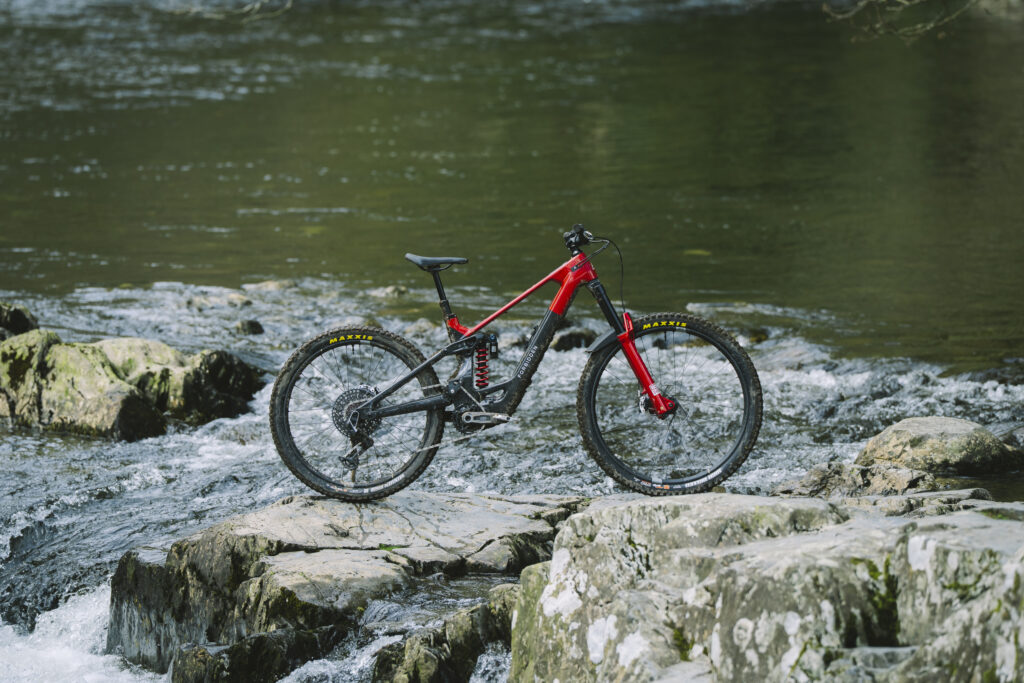
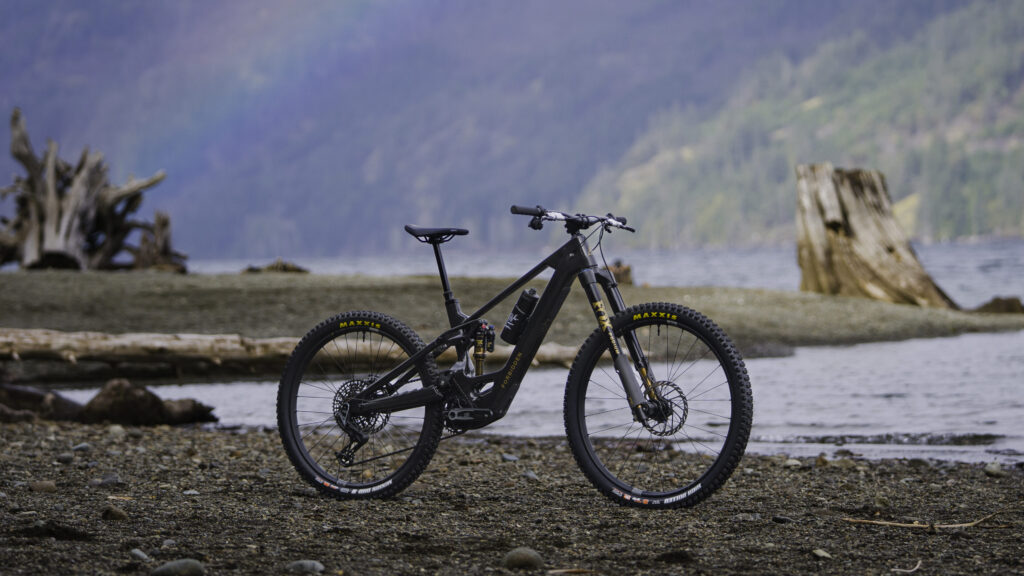
Suspension is where the difference becomes obvious. Dreadnought E runs 170mm of rear travel with a 180mm fork and a rearward but reserved axle path. It is designed to plow when you drop your heels and stop asking questions. It still has pop when you load and unload the bike, but the priority is staying composed at speed, staying high in its travel when you are pushing, and staying controlled when the landings are not perfect. Druid E sits on the other side of that spectrum. It trades some outright smash for a more agile, more playful ride feel that rewards line choice, pumping terrain, and mixing speed with style.
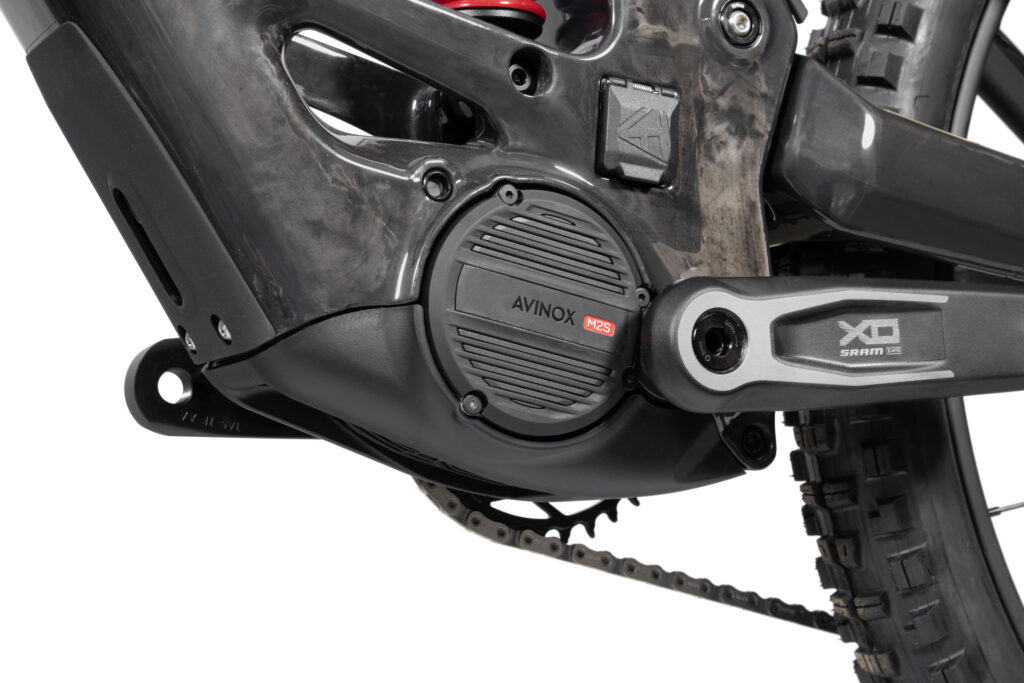
Power delivery is shared philosophy, with tier specific hardware. Both bikes run the Avinox drive system in two configurations depending on build. T1 and T2 get the M2S with 130 Nm of torque, 150 Nm Boost, 1300 watts. T3 and T4 get the M2 with 110 Nm of torque, 125 Nm Boost, 1100 watts. Both can be paired with 600 Wh or 800 Wh batteries, so you can pick a lighter setup for quicker rides or maximum range for deep missions. The key point is simple. Neither bike is underpowered. The choice is about the chassis and travel, not whether it can get you up the climb.
Choosing the right bike
On the climb, Druid E feels like the efficient option. It covers ground quickly, stays composed on technical pitches, and encourages you to keep pedalling because the bike feels precise and manageable. It is the one you will reach for when your route includes tight switchbacks, awkward rock steps, and that kind of stop start climbing that punishes a sluggish bike. Dreadnought E climbs well too, but it carries the calm confidence of a big bike. It is happiest when the climb is about traction and momentum, and when the reward is a long descent that justifies the extra travel.
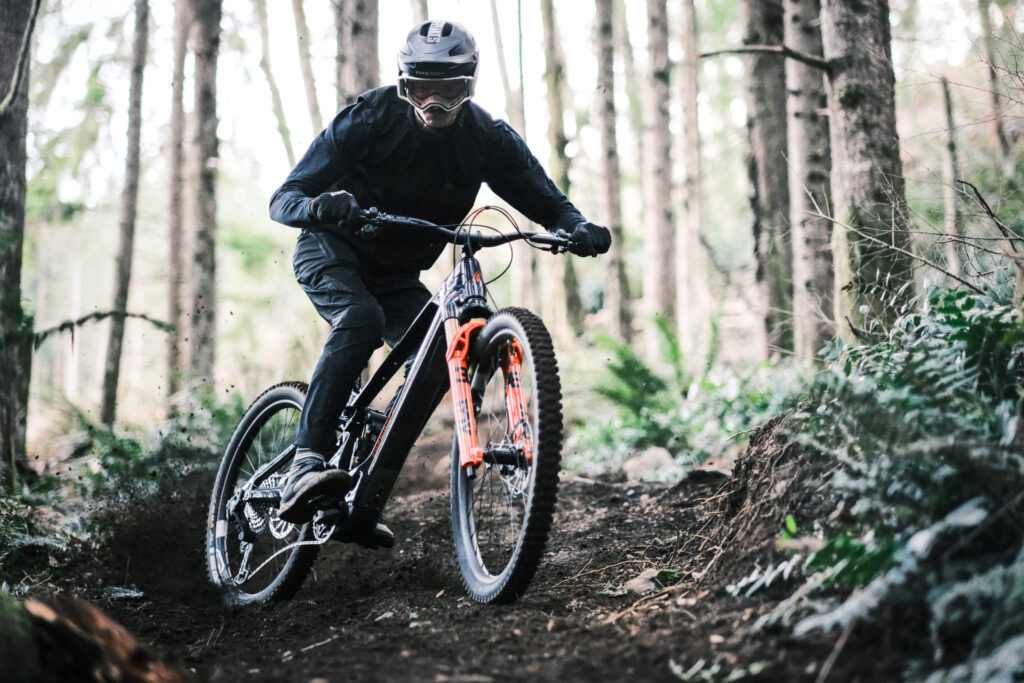
Point them downhill and the gap opens again. Druid E is quick to change direction and easy to place. It feels like you can ride it hard all day because it stays playful and responsive, even when the trail gets rough. Dreadnought E is the bike that turns rough into background noise. It stays planted when the speed climbs, it carries momentum through repeated hits, and it gives you the kind of confidence that makes you brake later without feeling like you are gambling. If your descents include bigger drops, bigger compressions, and higher consequences, the Dreadnought E feels like the safer kind of reckless.
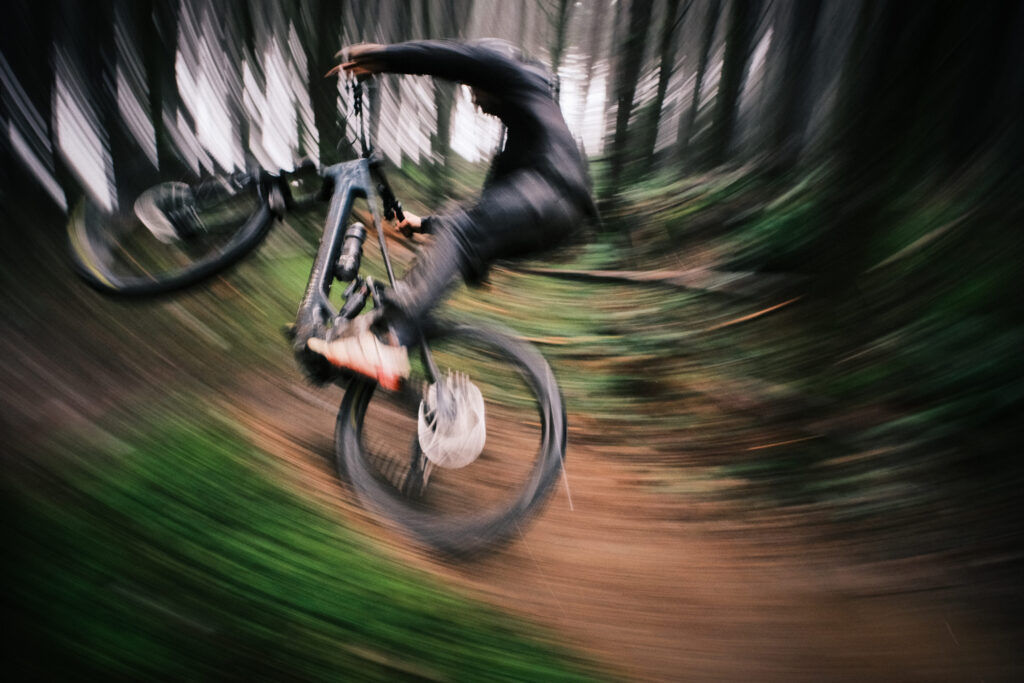
Now You have to decide
So which one is for you. Either way you are getting OneRide balance, high pivot Trifecta confidence, and a drive system that is ready for real riding. The rest comes down to your terrain, your speed, and how hard you like to hit.


Share This
Share This